

In the contemporary world, technology has played a crucial role in various spheres, and the healthcare sector is no exception. Technological advances have radically transformed the diagnosis, treatment and prevention of diseases, promising a new era of more efficient and personalised medicine. In this article, we will explore some of the most significant technological innovations in healthcare and how they are shaping the future of medical care.
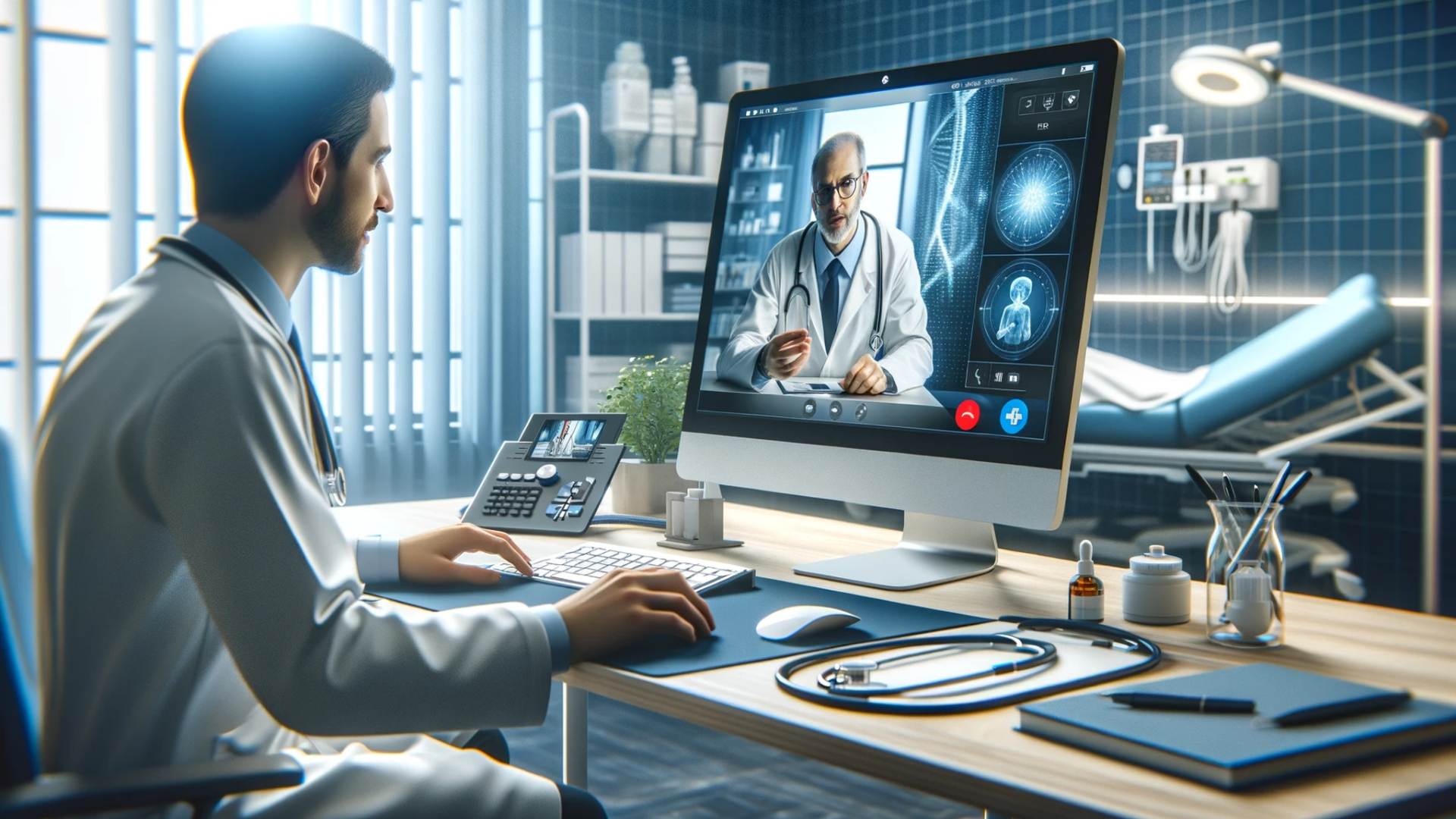
Telemedicine: Accessibility and Convenience in Healthcare
Telemedicine has emerged as a vital tool, particularly highlighted during the COVID-19 pandemic. This technology enables remote medical consultations using digital devices. In addition to increasing access to care for people in remote areas, telemedicine also offers a convenient solution for patients with reduced mobility or for those seeking a second medical opinion from global specialists.
Artificial Intelligence and Data Analysis in Medicine
Artificial intelligence (AI) is transforming data analysis in healthcare. AI algorithms are capable of processing and interpreting large volumes of medical data, from patient histories to diagnostic images such as X-rays and MRI scans. This capability not only improves diagnostic accuracy, but also assists in identifying patterns that can predict disease outbreaks or epidemics.

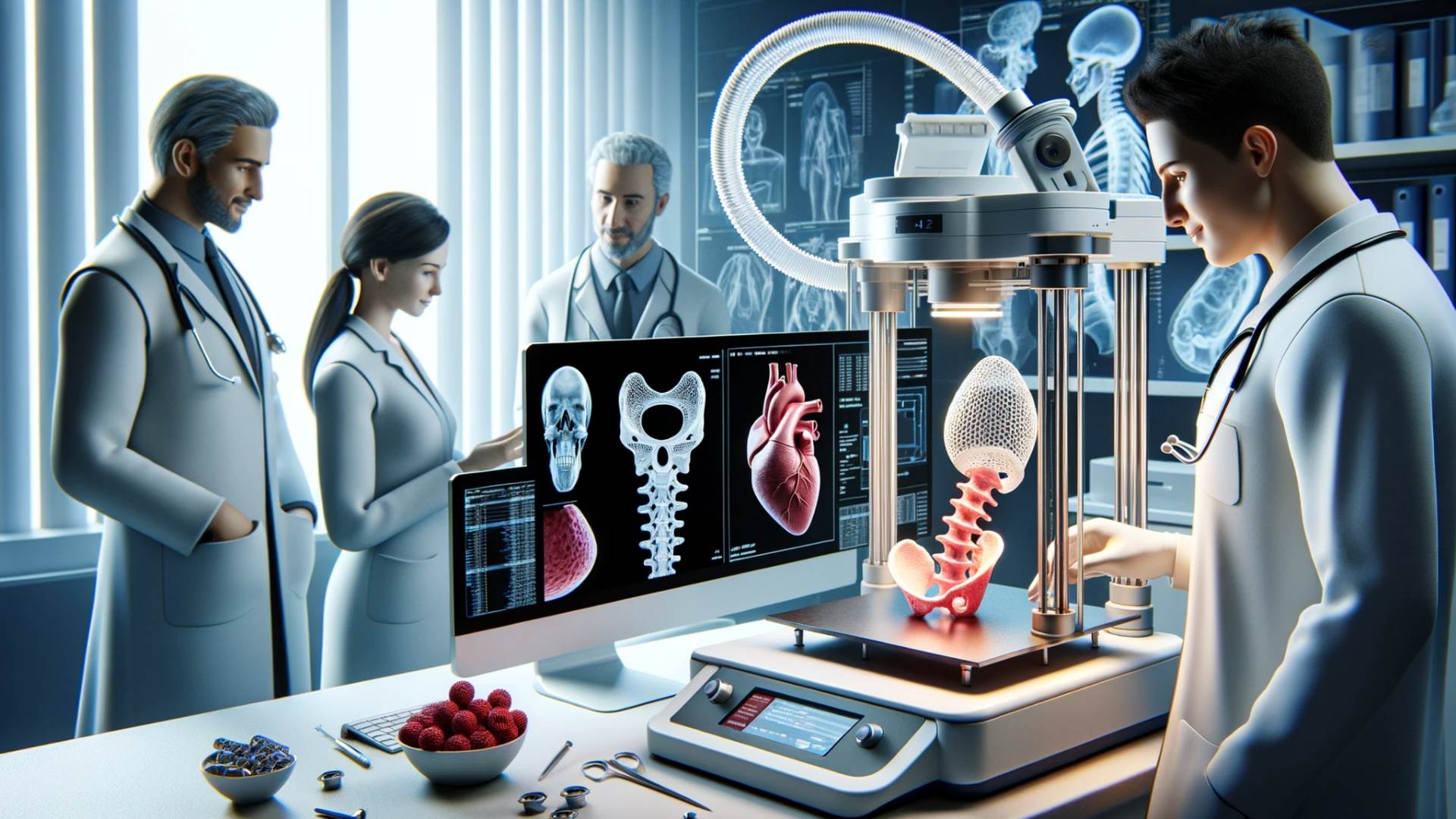
3D Printing: A Revolution in Treatment Personalisation
3D printing is gaining ground in personalised medicine. This technology enables the creation of custom-made implants and prosthetics, tailored to the individual needs of each patient. Furthermore, 3D printing is being explored in bioengineering for the creation of tissues and organs, which may revolutionise transplants in the future.
Nanotechnology: Precision and Efficiency in Disease Treatment
Nanotechnology in medicine opens the door to more precise and less invasive treatments. Nanoparticles can be used to deliver medications directly to affected cells, increasing treatment efficacy and reducing side effects. This approach is particularly promising in the treatment of diseases such as cancer.

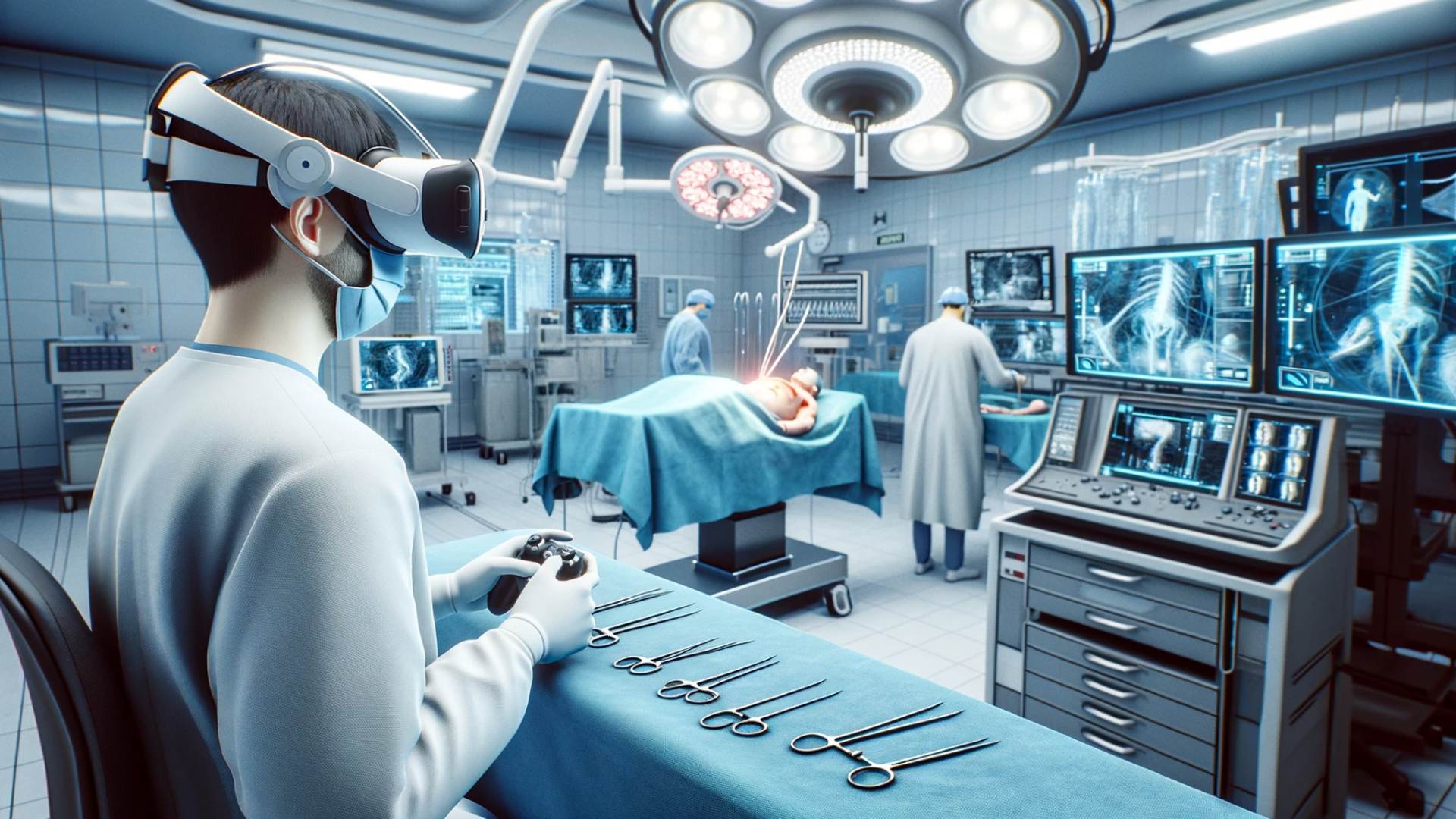
Virtual and Augmented Reality in Medical Education and Rehabilitation
Virtual reality (VR) and augmented reality (AR) are emerging as valuable tools in medical education and rehabilitation. VR enables simulations of surgical procedures for medical training, while AR can be used in rehabilitation therapies, offering immersive experiences that aid in patient recovery.
Technological innovations in healthcare are reshaping the way we care for our health and well-being.
From improving access to medical care with telemedicine to the promises of nanotechnology and 3D printing, we are witnessing a revolution in medicine. These advances not only enhance the diagnosis and treatment of diseases, but also pave the way for a more personalised and efficient approach to medicine. As we continue to explore the potential of these technologies, we can look forward to a future in which health and well-being are more accessible and effective for everyone.