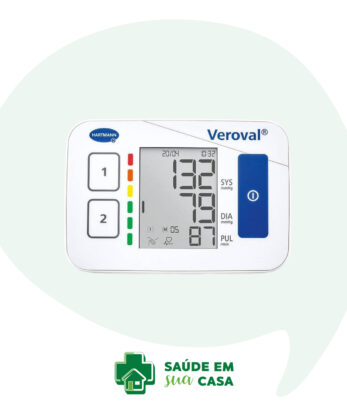
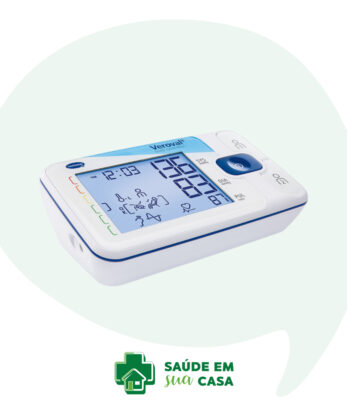
Diagnostics: simple, reliable measurements at home. Veroval upper-arm and wrist blood pressure monitors, a finger pulse oximeter and digital thermometers, including no-contact models — to keep track of your health at home and share readings with your doctor.

How to choose
- Blood pressure: upper-arm monitors are the most widely used for regular home readings; a wrist monitor is more compact and handy to carry.
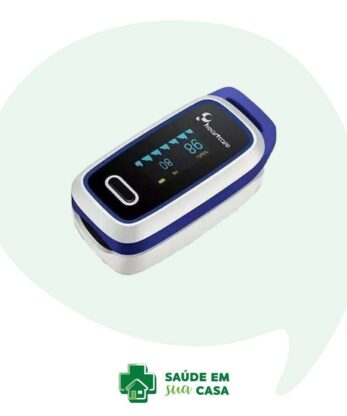
- Blood oxygen: a finger pulse oximeter measures oxygen saturation and pulse rate in a few seconds.
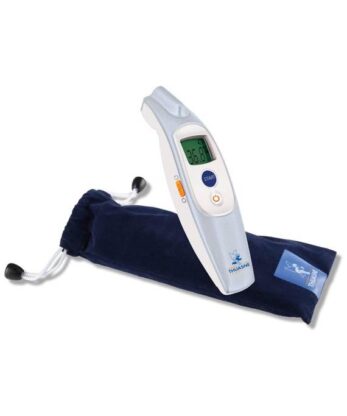
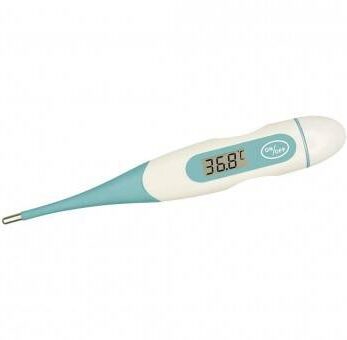
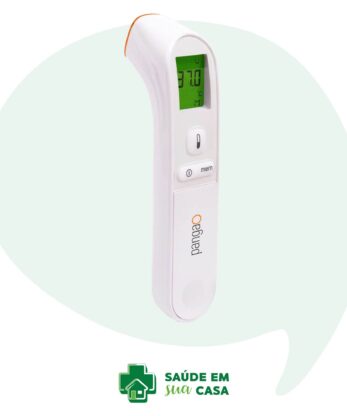
- Temperature: digital thermometers with a flexible, waterproof tip, and infrared no-contact thermometers, which are easier with children or someone asleep.
- Ease of use: large displays, simple buttons and memory of recent readings help people with poor eyesight or little experience with technology.
Frequently asked questions
Upper-arm or wrist blood pressure monitor?
For regular home readings, doctors usually recommend an upper-arm monitor. A wrist monitor is useful when travelling or if the cuff is hard to fit, but the wrist must be held at heart level during the reading.
How do I measure blood pressure correctly?
Sit and rest for 5 minutes with your back supported and feet flat on the floor; do not smoke or drink coffee beforehand. Keep the cuff at heart level, do not talk during the reading and measure at the same time each day. Record your readings and show them to your doctor.
What does a pulse oximeter measure?
It measures blood oxygen saturation (SpO2) and pulse rate through a sensor on the finger. Cold hands or nail varnish can affect the reading. Your doctor should interpret the results.