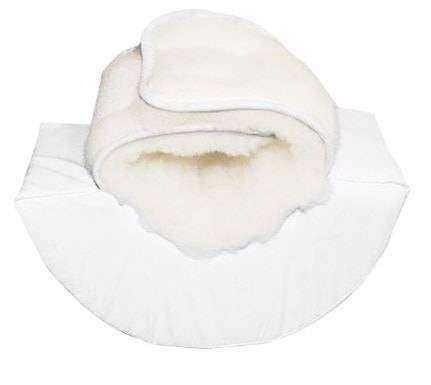
Semicylindrical Heel Cup
20,45 € incl. VAT
Semicylindrical Heel Cup
Who is it for? This semi-cylindrical heel pad is suitable for older people and people who are bedridden or have limited mobility and are at risk of developing pressure sores on their heels. It is an essential solution for anyone who spends long periods in bed or resting.
What problem does it solve? The heels are one of the areas most vulnerable to pressure sores due to continuous pressure during rest. This heel pad reduces direct contact and friction, spreading weight more evenly and preventing skin damage. It is especially important in elderly care and long-term care.
How to use it? Position the heel pad so that it raises and protects the heel, avoiding direct contact with hard surfaces. It can be used throughout the period of bed rest. Keep the skin clean and dry for maximum effectiveness.
- Semi-cylindrical design that protects and raises the heel
- Reduces pressure and the risk of pressure sores
- Prevents friction between the skin and the mattress
- Ideal for palliative care and prolonged rest
- A non-invasive, easy-to-apply solution
- Complements pressure sore prevention programmes
Frequently asked questions
What exactly is the semi-cylindrical heel pad for?
It is used to prevent pressure sores and protect the heels against them, a common complication in people who are bedridden or have very limited mobility. By raising the heel and keeping it off the surface, it reduces continuous pressure on this fragile area.
Who should use a semi-cylindrical heel pad?
Bedridden older people, people on prolonged rest, people with chronic illnesses and limited mobility, and people receiving palliative care. It is especially recommended for those who already have risk factors for pressure sores (poor nutrition, incontinence or very limited mobility).
Can I use the heel pad all night?
Yes, the heel pad has been designed to be used during periods of bed rest. Combine it with other preventive measures, such as regular changes of position and daily skin checks.
Does this heel pad replace other pressure sore prevention measures?
No. It is most effective when used as part of a complete prevention programme that includes regular changes of position, proper hygiene, appropriate nutrition and frequent skin checks.
Related products