The perfume industry uses an olfactory scale to classify and describe the different fragrances found in perfumes and related products. This scale helps communicate the characteristics of fragrances in a standardized way, making it easier for consumers to understand and choose, as well as facilitating communication among industry professionals. There are several olfactory scale classifications, but one of the most common is the classification of olfactory notes into three main categories: top notes, heart notes, and base notes.
Top Notes: Also known as head notes, these are the first olfactory impressions you experience when you apply the perfume. They are light, volatile, and evaporate quickly. Top notes are generally fresh and citrusy, creating a refreshing introduction to the fragrance. Examples of top notes include citrus fruits such as lemon, bergamot, orange, and green notes such as violet leaves.
Heart Notes: Also called middle notes, these are the fragrances that become perceptible after the top notes have evaporated. They form the main body of the fragrance and are longer-lasting than the top notes. Heart notes are frequently floral and fruity, adding complexity and depth to the fragrance. Examples include rose, jasmine, lavender, and fruity notes such as apple and peach.
women’s perfumes
Choose your fragrance

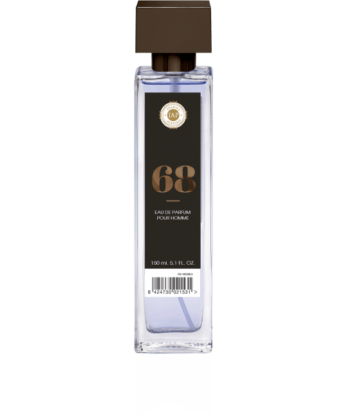
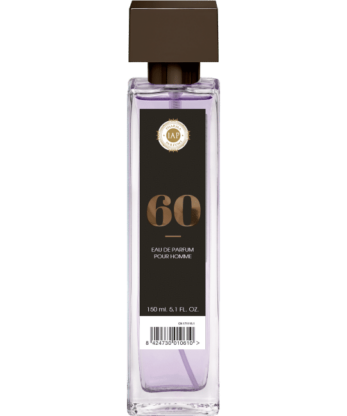
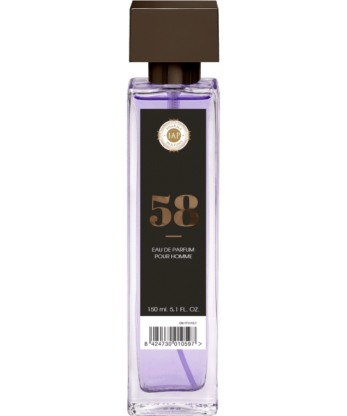
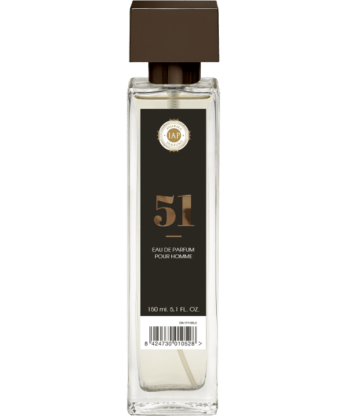
men’s perfumes
Choose your fragrance


Base Notes: These are the most long-lasting and rich notes of the fragrance, which emerge after the heart notes have dissipated. They form the foundation of the fragrance and lend depth, staying power, and sensuality to the perfume. Base notes generally include ingredients such as woods, spices, amber, vanilla, and musk. These notes remain on the skin for a long period of time, contributing to the development and fixation of the fragrance.
Beyond these basic categories, many fragrances can also be described using terms such as woody, floral, oriental, citrusy, aquatic, spicy, and others, to convey specific characteristics of the fragrance. These terms help in understanding consumers’ personal preferences and guide the selection of perfumes that align with their taste.