A Stroke, commonly known as a cerebral stroke, represents one of the leading causes of death and long-term disability in adults worldwide. Understanding what a stroke is, its types, symptoms and, most importantly, how to prevent it, is essential for promoting brain health and reducing risks. This article aims to clarify these issues and encourage healthy lifestyle habits that can minimize the likelihood of this serious condition occurring.
What is a Stroke?
A stroke occurs when blood flow to a part of the brain is interrupted or reduced, preventing brain tissue from receiving oxygen and nutrients. Brain cells begin to die within minutes.
There are two main types of stroke:
1. Ischemic Stroke: The most common type, it occurs when a blood clot blocks or narrows an artery leading to the brain.
2. Hemorrhagic Stroke: Occurs when an artery in the brain ruptures, leading to a hemorrhage (bleeding).
Signs and Symptoms of a Stroke Recognizing the signs of a stroke can save lives. The mnemonic “F.A.S.T.” is a useful guide to remember the main symptoms:
Face: Is the person’s face drooping on one side?
Arms: Can the person raise both arms?
Speech: Is their speech slurred or strange?
Time: It’s time to call emergency services immediately if any of these symptoms are present.
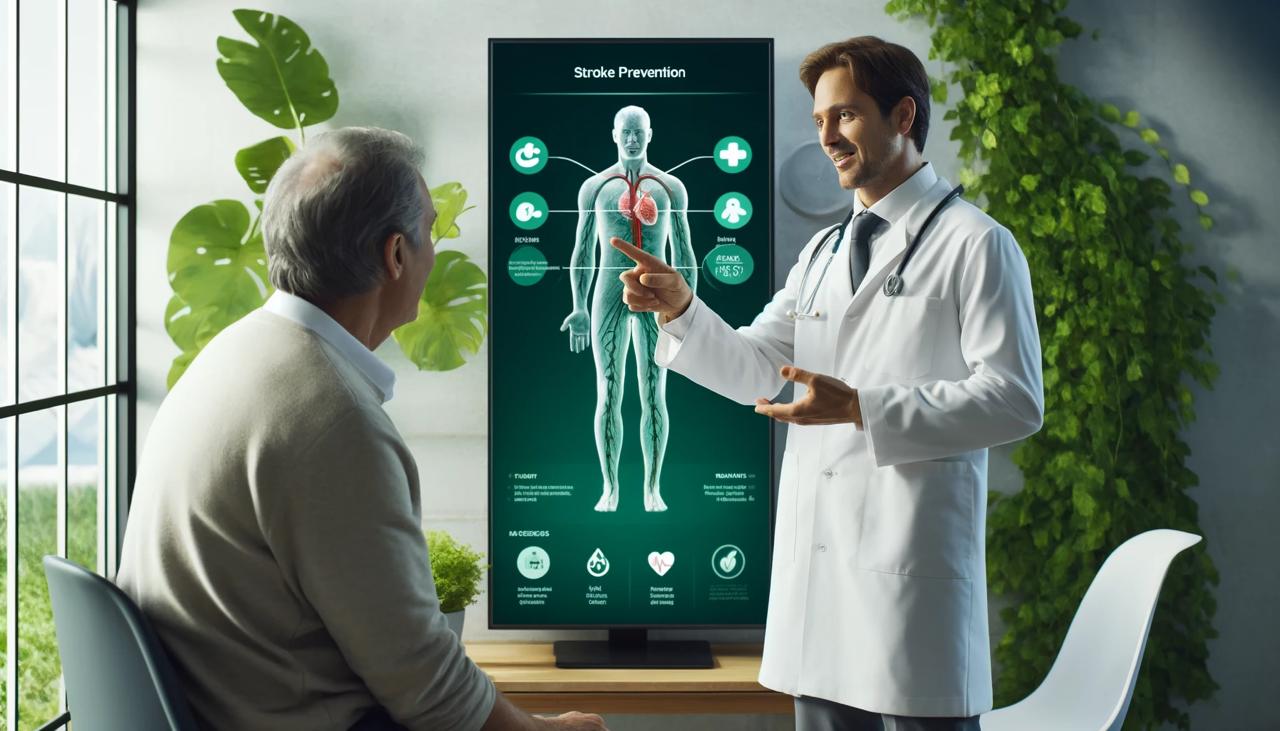
How to Prevent a Stroke Stroke prevention is strongly linked to controlling associated risk factors and adopting a healthy lifestyle. Here are some key preventive measures:
1. Blood Pressure Control: High blood pressure is the greatest risk factor for strokes. Keeping blood pressure under control is crucial.
2. Reduce Cholesterol: Diets high in saturated fats and cholesterol can raise blood cholesterol levels, increasing the risk of clots.
3. Quit Smoking: Smoking increases the risk of several health problems, including stroke.
4. Healthy Diet: A diet rich in fruits, vegetables and fiber and low in fats and salt can help prevent clot formation.
5. Regular Exercise: Regular physical activity can help maintain a healthy weight and reduce blood pressure.
6. Limit Alcohol Consumption: Drinking excessively can raise blood pressure. Limiting alcohol to moderate amounts is beneficial.
7. Monitor Cardiovascular Health: Conditions such as diabetes and cardiac arrhythmias can increase the risk of stroke.

Understanding what a stroke is and implementing preventive measures can significantly reduce the risk of suffering this serious health event.
It is essential to adopt a healthy lifestyle and regularly consult healthcare professionals for risk assessments. Prevention is always the best path and, in this case, it can literally save lives.
Remember, the information contained in this article does not replace medical consultation. It is always recommended to seek a qualified healthcare professional for personalized guidance.