Throughout history, humanity has developed a series of instruments and technologies to improve people’s quality of life. In the field of mobility, the wheelchair is, without a doubt, one of the most revolutionary inventions of all time. From its earliest manifestations to the most modern and adapted versions, the wheelchair has transformed the lives of millions, offering them freedom and independence.
Distant Origins
The first known representation of a wheelchair dates back to Ancient China, around the 6th century BC, as mentioned in the National Geographic article. Engravings from that era show wheeled chairs intended for transporting individuals. However, these were more leisure vehicles than medical devices.
Europe, in turn, appears to have embraced this idea in the 6th century AD, with some archaeological evidence of wheelchairs on the Iberian Peninsula.
Developments in the Renaissance
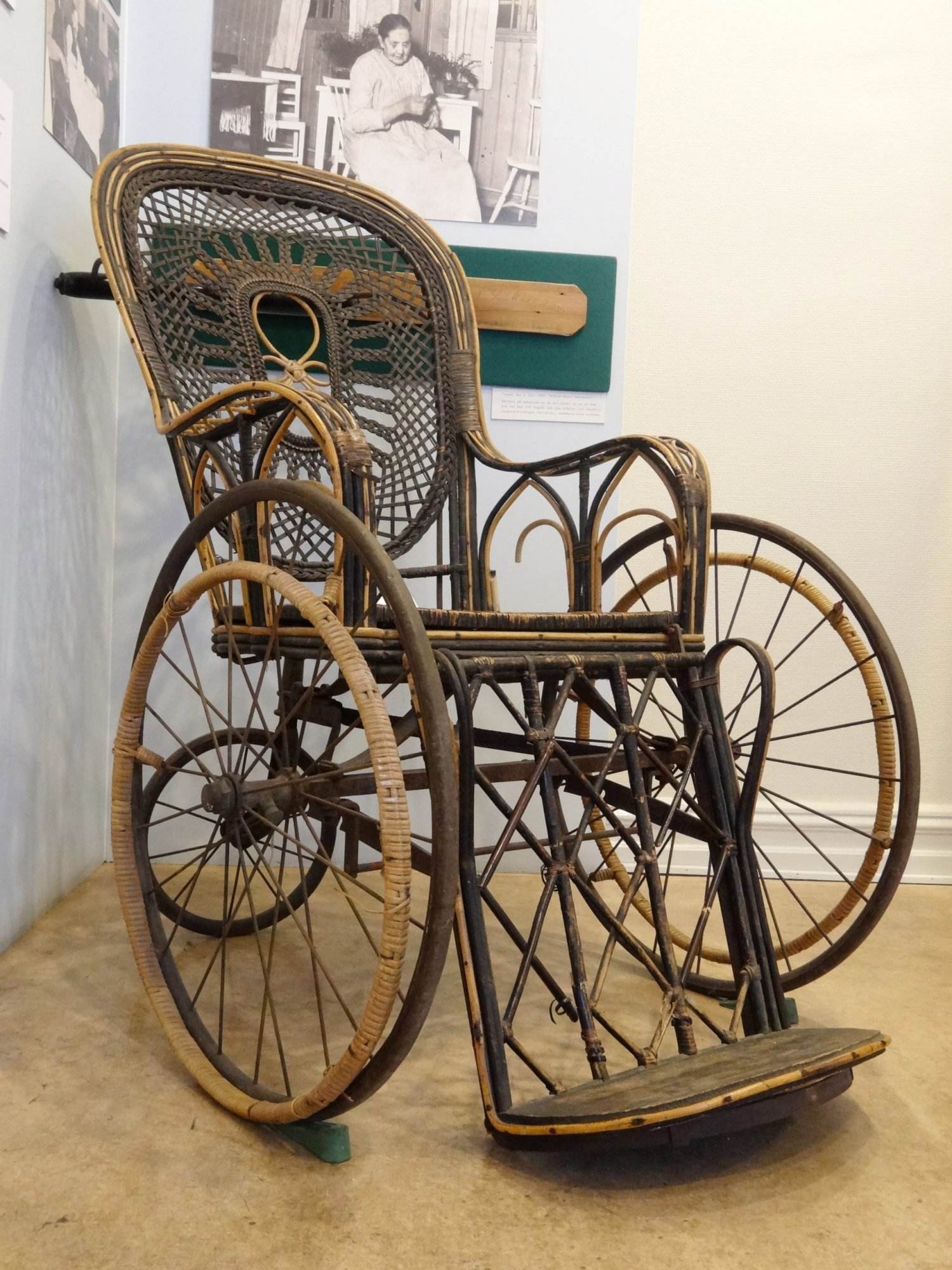
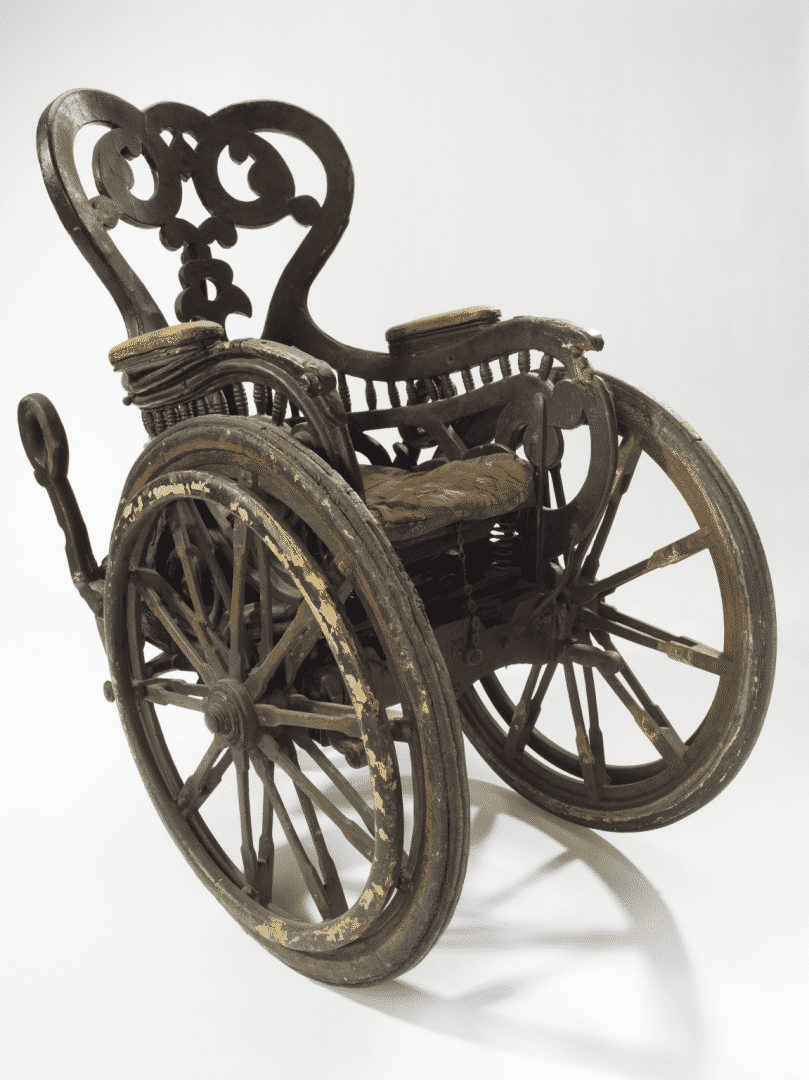
The real development of wheelchairs, with a clearly therapeutic and utilitarian purpose, appears to have begun in Renaissance Europe. Around 1595, a Spanish inventor created a mobile chair for King Philip II. This was equipped with armrests and leg supports, representing one of the first prototypes of the wheelchair as we know it today.
20th Century: The Innovation Boom
However, it was in the 20th century that the true wheelchair revolution took place. The impact of the two world wars, which resulted in many veterans with physical disabilities, gave enormous impetus to innovation. During this period, lighter and more maneuverable chairs were developed. The tubular design, popularized in the 1930s, is a milestone in this process.
The technological advances of the second half of the 20th century led to the emergence of motorized wheelchairs, offering even greater autonomy to those who need them.
The Future of the Wheelchair
With the rapid evolution of technology and the growing focus on accessibility, the future of the wheelchair looks promising. New materials, lighter and more resistant, and smart technologies may make these devices even more tailored to individual needs. The digital age, with sensors and connectivity, has the potential to make the wheelchair a highly customizable and interactive device.
Conclusion
The wheelchair, throughout its history, has been a symbol of freedom and independence for millions. Each advance reflects humanity’s ongoing desire to improve quality of life and ensure dignity for all, regardless of their physical limitations. Let us celebrate, then, this wonderful invention and its invaluable impact on the lives of so many.
Reference: [National Geographic – How the wheelchair opened the world to millions of people](https://www.nationalgeographic.pt/historia/como-cadeira-rodas-abriu-mundo-milhoes-pessoas_4015)
Note: The article above was created based on the information provided by the link and is an adapted and condensed representation of the history of the wheelchair.