Epicondylitis is a condition that affects a significant portion of the population, especially those involved in repetitive arm and wrist activities. Understanding this condition and the strategies for its management is crucial, both for affected individuals and healthcare professionals.
What is Epicondylitis?
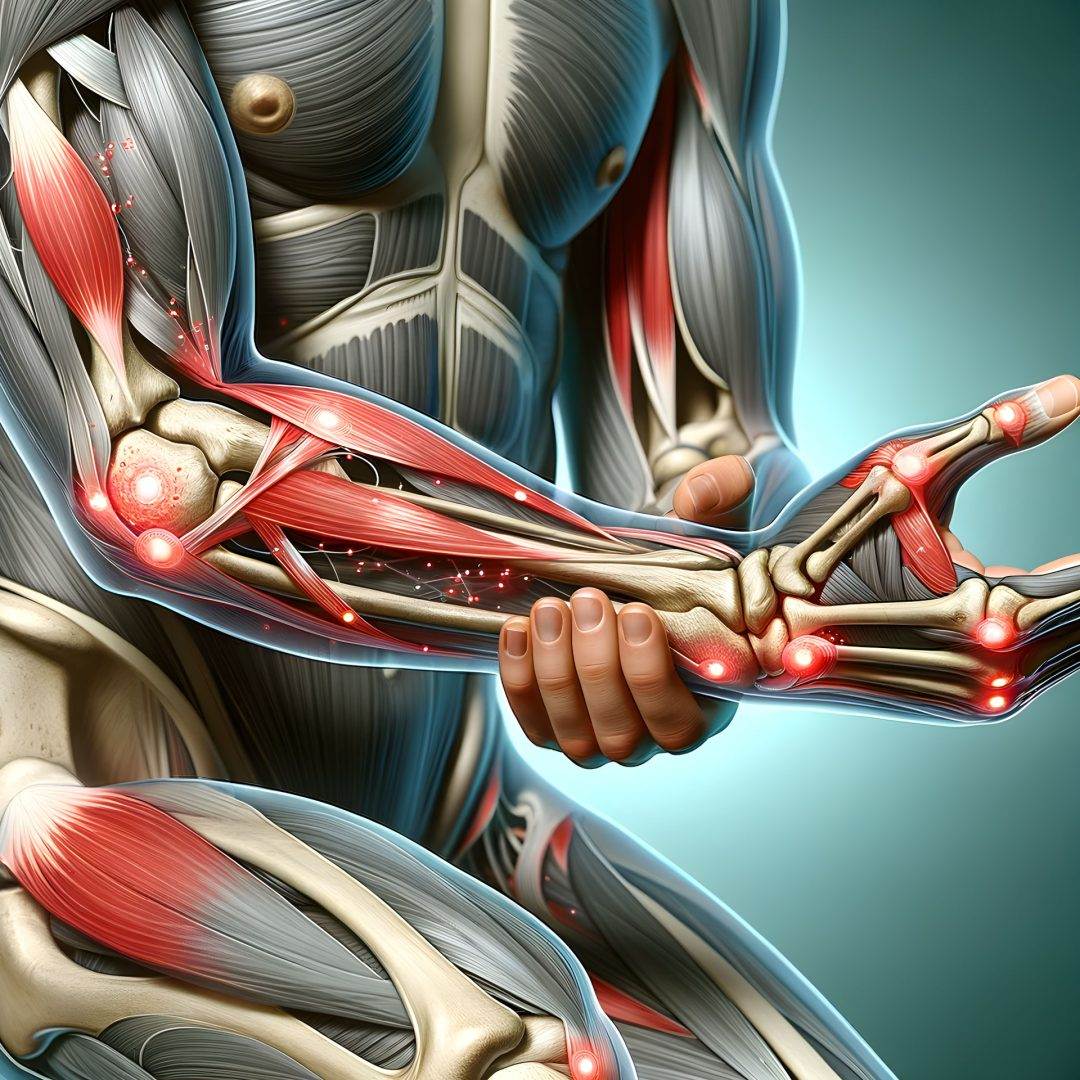
Epicondylitis, commonly known as tennis elbow (lateral epicondylitis) or golfer’s elbow (medial epicondylitis), is a form of tendinitis that affects the epicondyles – the attachment points of tendons on the elbow bone. This condition results from overload or overuse of the tendons, leading to
pain and tenderness in that area.
Causes and Risk Factors
Although often associated with athletes, epicondylitis can affect anyone. The causes include:
1. Repetitive Movements: Tasks involving repetitive arm and wrist movements, such as
typing or using hand tools, can increase the risk.
2. Sports Activities: Sports such as tennis or golf are particularly prone to causing
epicondylitis due to the intensive use of the arms.
3. Age and Health Conditions: People between 30 and 50 years of age are more susceptible, as are
individuals with certain health conditions affecting muscles and tendons.
Common Symptoms
The symptoms of epicondylitis include:
Pain and tenderness in the elbow, especially when gripping objects.
Stiffness in the elbow.
Weakness in the arms or wrists.
Sensitivity to touch on the elbow bone.
Diagnosis and Treatment
The diagnosis of epicondylitis usually involves a physical examination and, sometimes, imaging tests. Treatment may include:
Rest: Avoiding activities that worsen the pain is essential.
Medication: Non-steroidal anti-inflammatory drugs (NSAIDs) can help reduce pain and inflammation.
Physical Therapies: Strengthening and stretching exercises, under the guidance of a physiotherapist, can be beneficial.
Elbow Supports: Orthoses or elbow bands can provide support and pain relief.
Corticosteroid Injections: In more severe cases, these may be considered to reduce inflammation.
Surgery: Rarely necessary, it is considered when other treatments fail.
Prevention and Care
Ergonomics: Adjusting posture and equipment at work or during sports activities can reduce the risk.
Warm-up and Stretching: Before intense physical activities, it is important to prepare the muscles and tendons, just as after the activity, stretching the muscles will be essential.
Strengthening: Exercises to strengthen the forearm muscles can help prevent epicondylitis.
Epicondylitis, although common, can be effectively managed with the right approach. It is essential that individuals with this condition seek medical guidance for proper diagnosis and treatment.
Adopting preventive measures and maintaining a healthy routine for the arms and wrists can help minimise the risks of this condition.
Please remember, the information presented here does not replace consultation with a healthcare professional. If you suspect you have epicondylitis, or for more information on the treatment and management of this condition, consult a doctor or physiotherapist.